Communex
Transforming a mature enterprise communication platform through a tokenized design system and scalable UI architecture
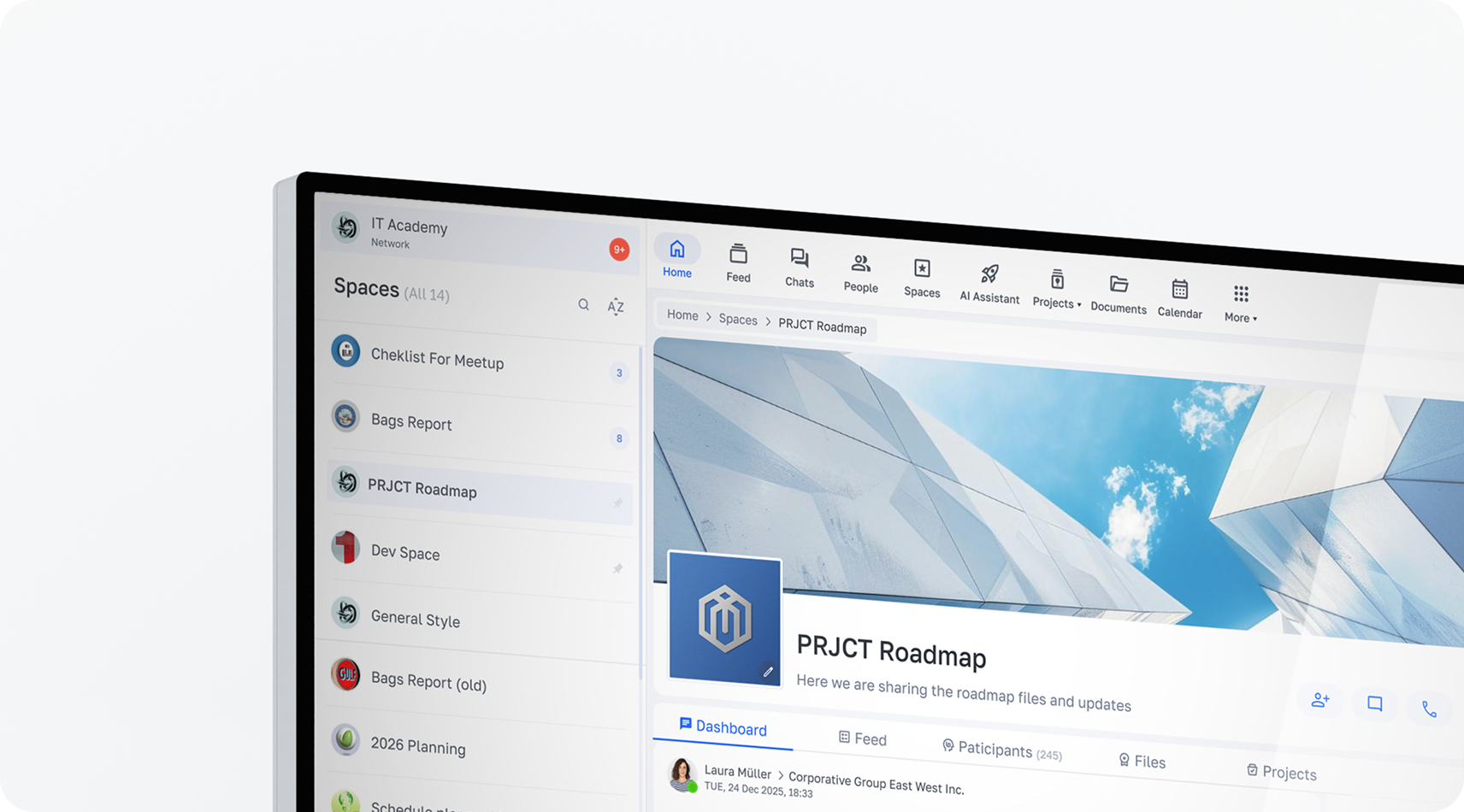
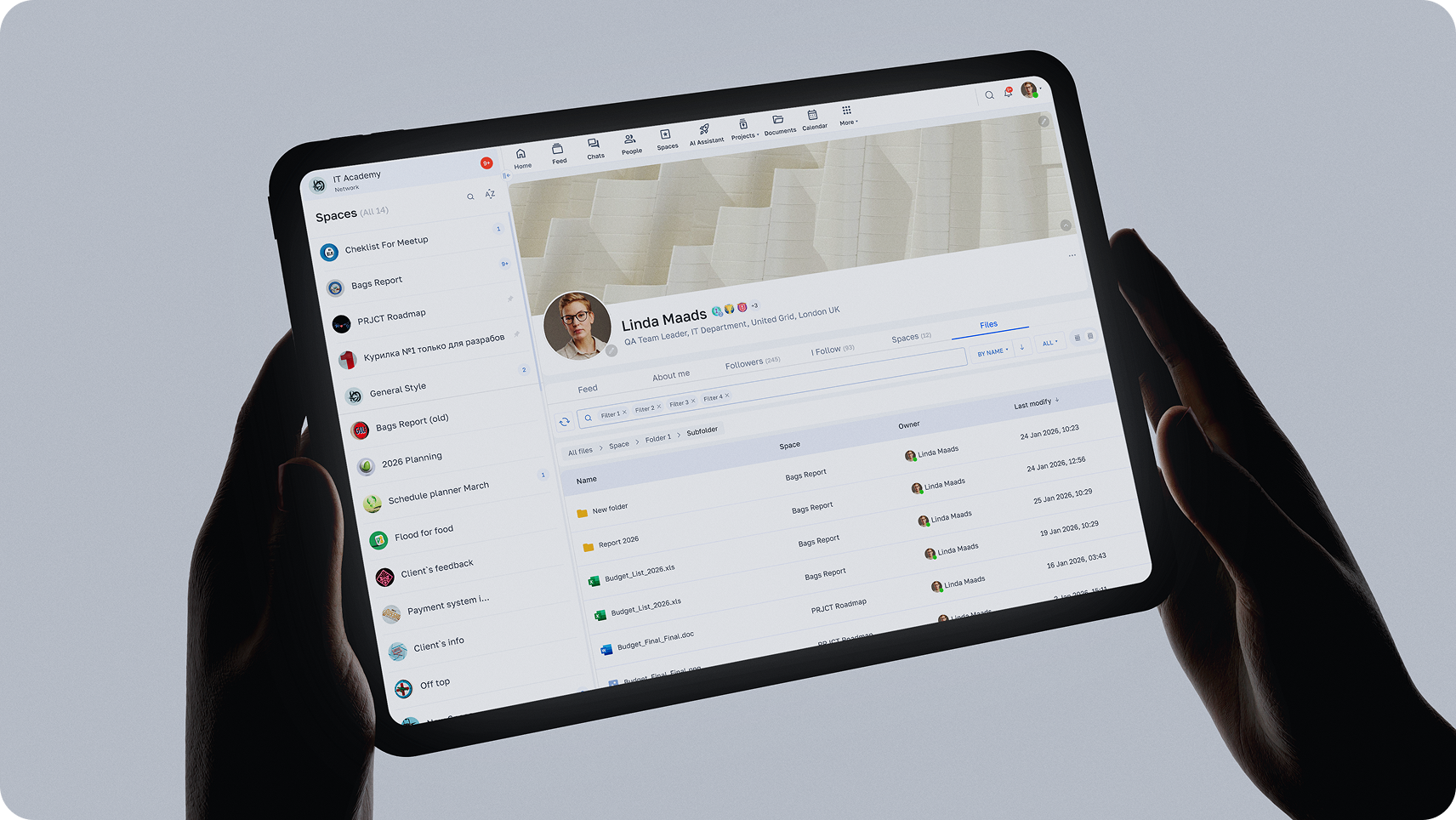
I led the redesign of the platform experience and built a scalable design system from scratch to support a growing ecosystem of workspaces, roles, content modules and complex collaboration workflows.
The platform supports:
- multiple organizations;
- workspaces and groups;
- role-based permissions;
- content management;
- document collaboration;
- internal communication workflows.

My Contribution

Senior Product Designer
As the sole Product Designer, I owned the end-to-end design process—from auditing the existing product and planning the redesign roadmap to building a scalable design system and delivering implementation-ready solutions in collaboration with engineering.
Team:
Frontend team (4 developers), Product Lead, Senior Product Designer (myself)
Responsibilities:
- Owned design planning and delivery, defining project phases, priorities and implementation sequence throughout the redesign.
- Prioritized the design roadmap based on product goals and engineering dependencies.
- Conducted a product-wide interface audit and defined the redesign strategy.
- Built a scalable design system from scratch, including tokens, components and documentation.
- Redesigned 12 core product areas and standardized interaction patterns across the platform.
- Collaborated closely with engineering to align design decisions with technical constraints and implementation priorities.
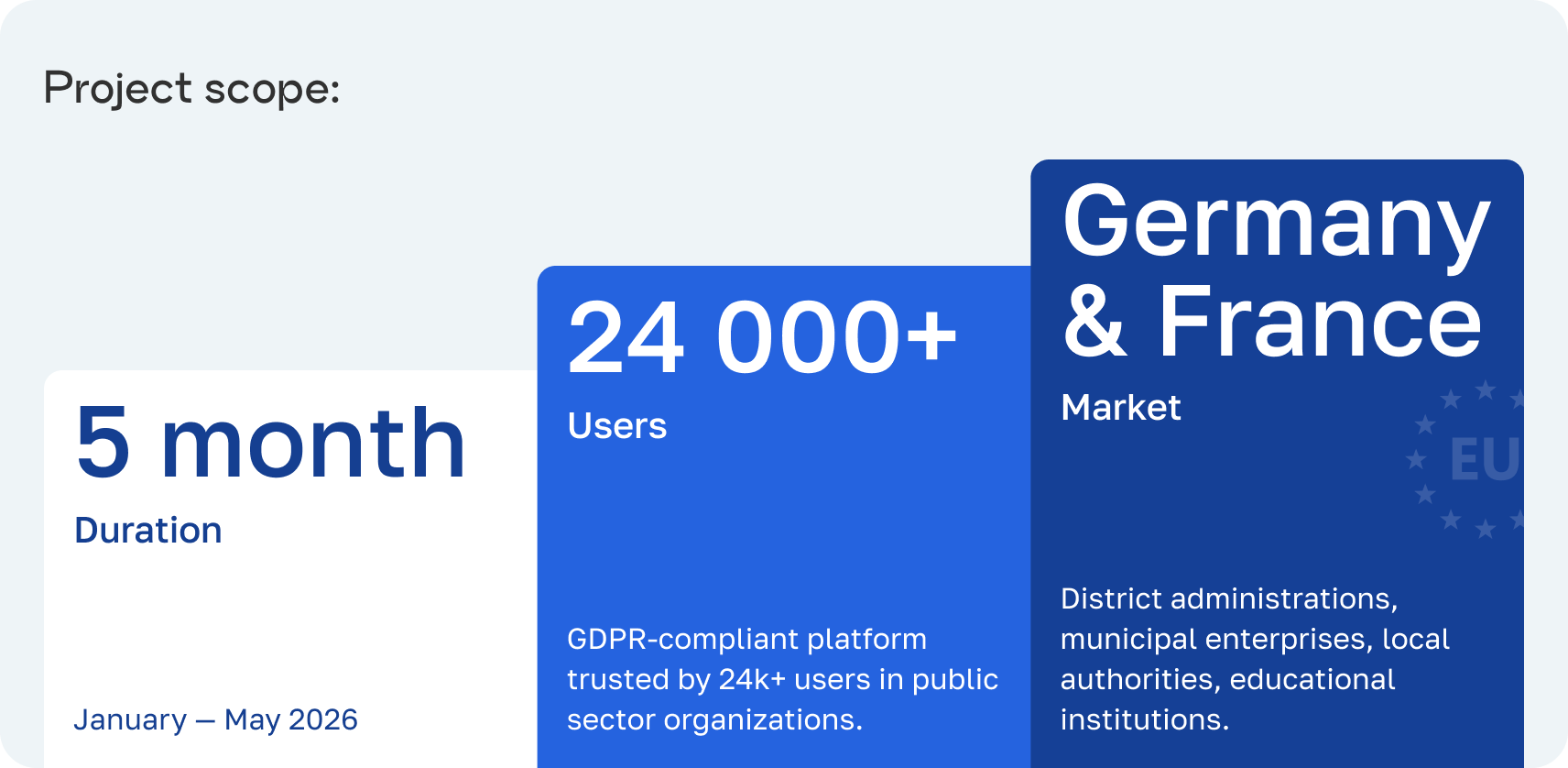
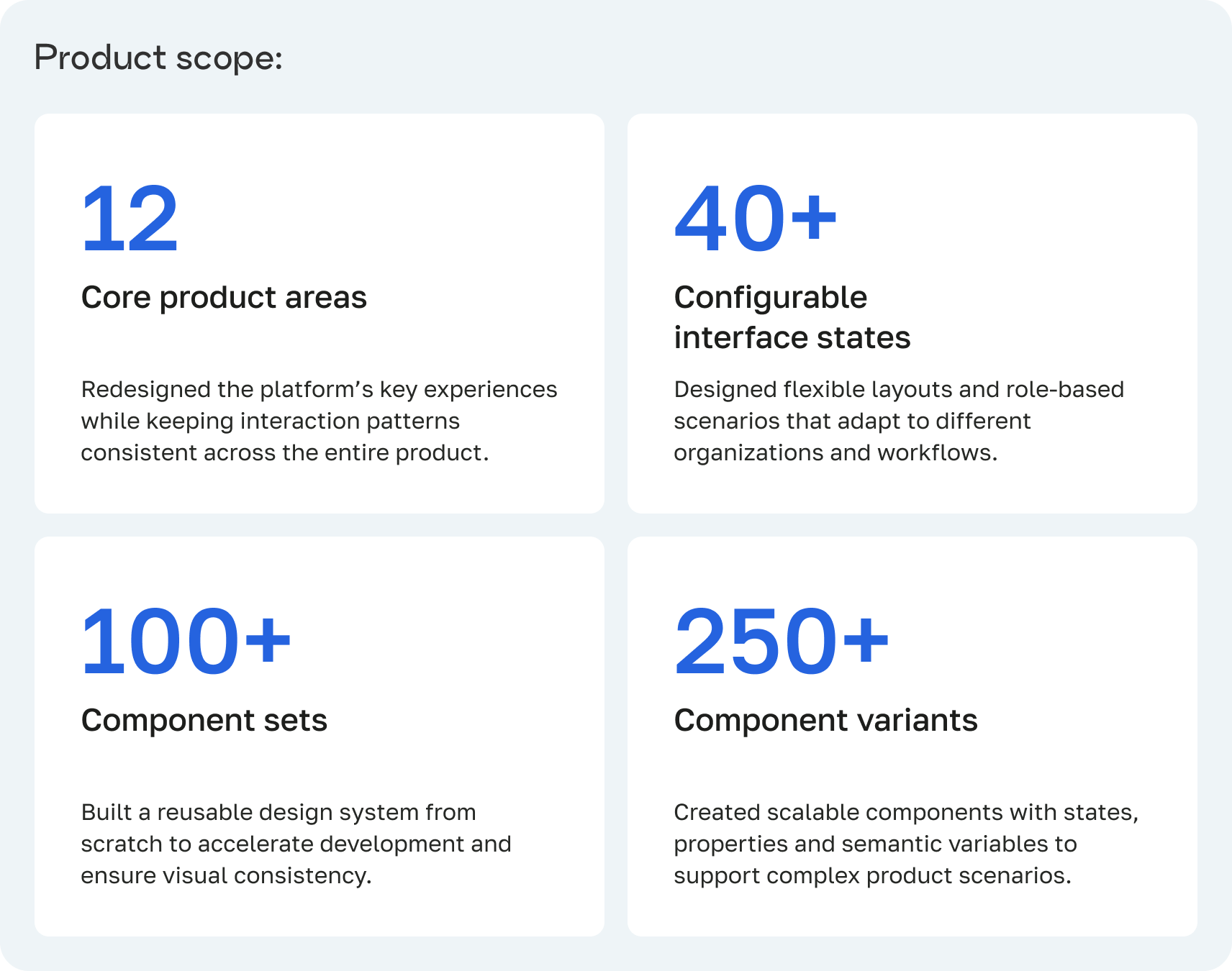
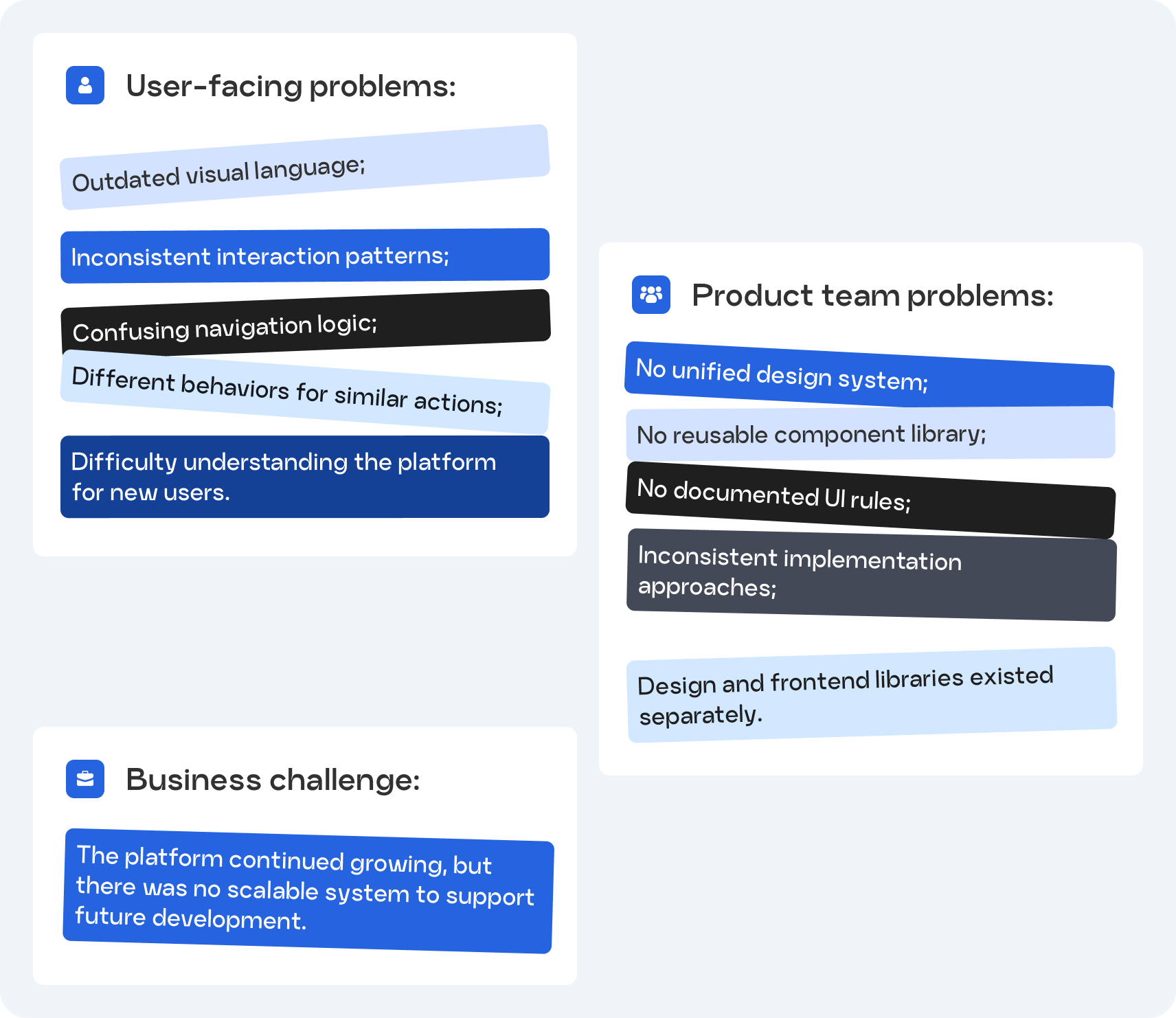
The problem was not redesigning screens. The problem was creating a scalable product foundation.
Architecting
a Scalable Foundation from Scratch
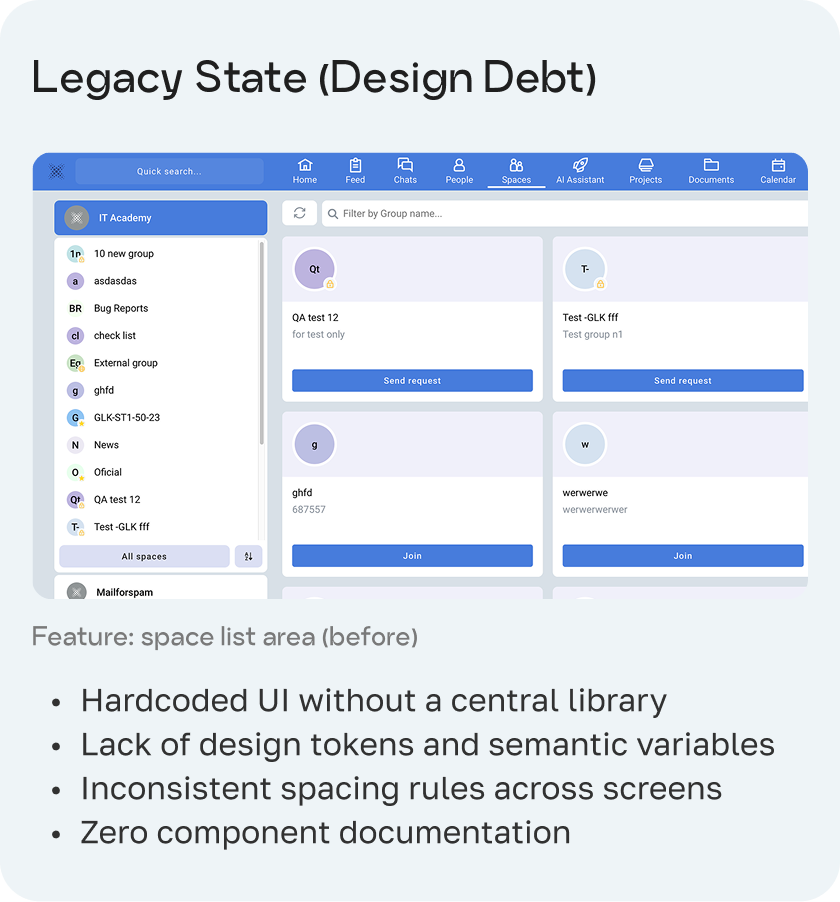
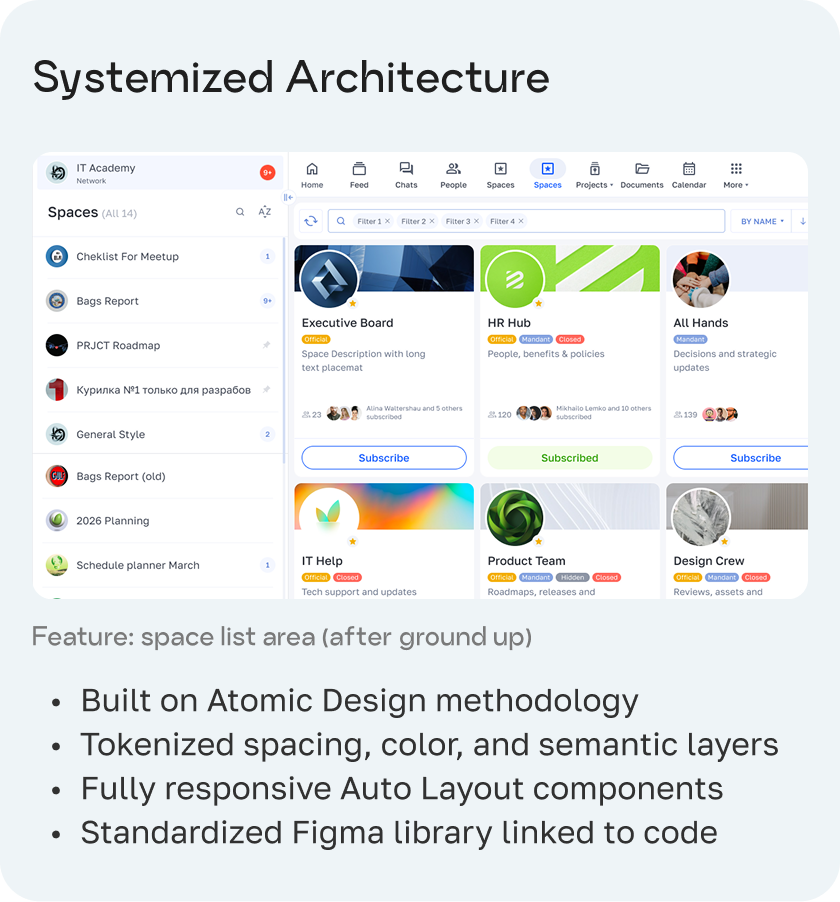
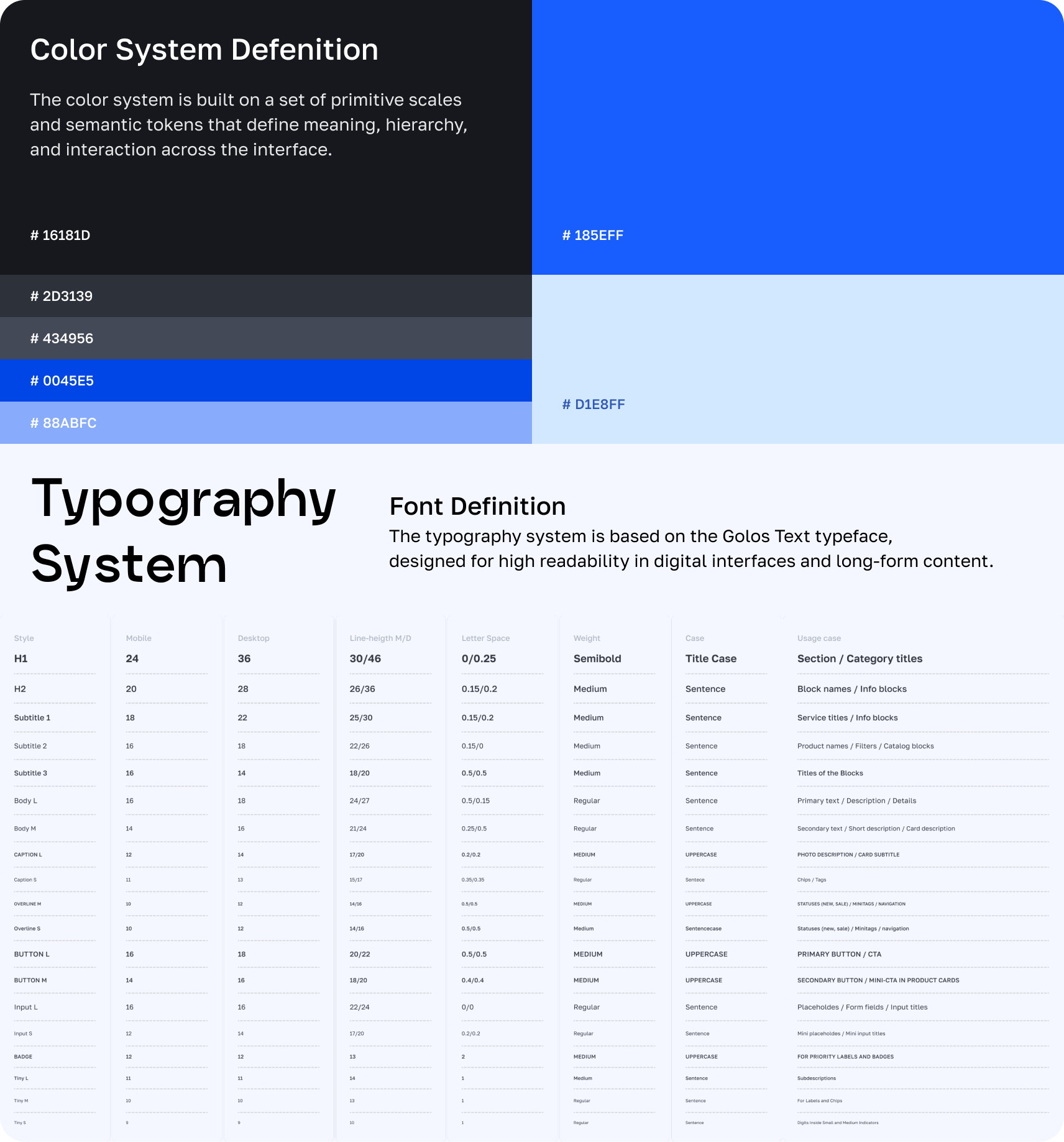
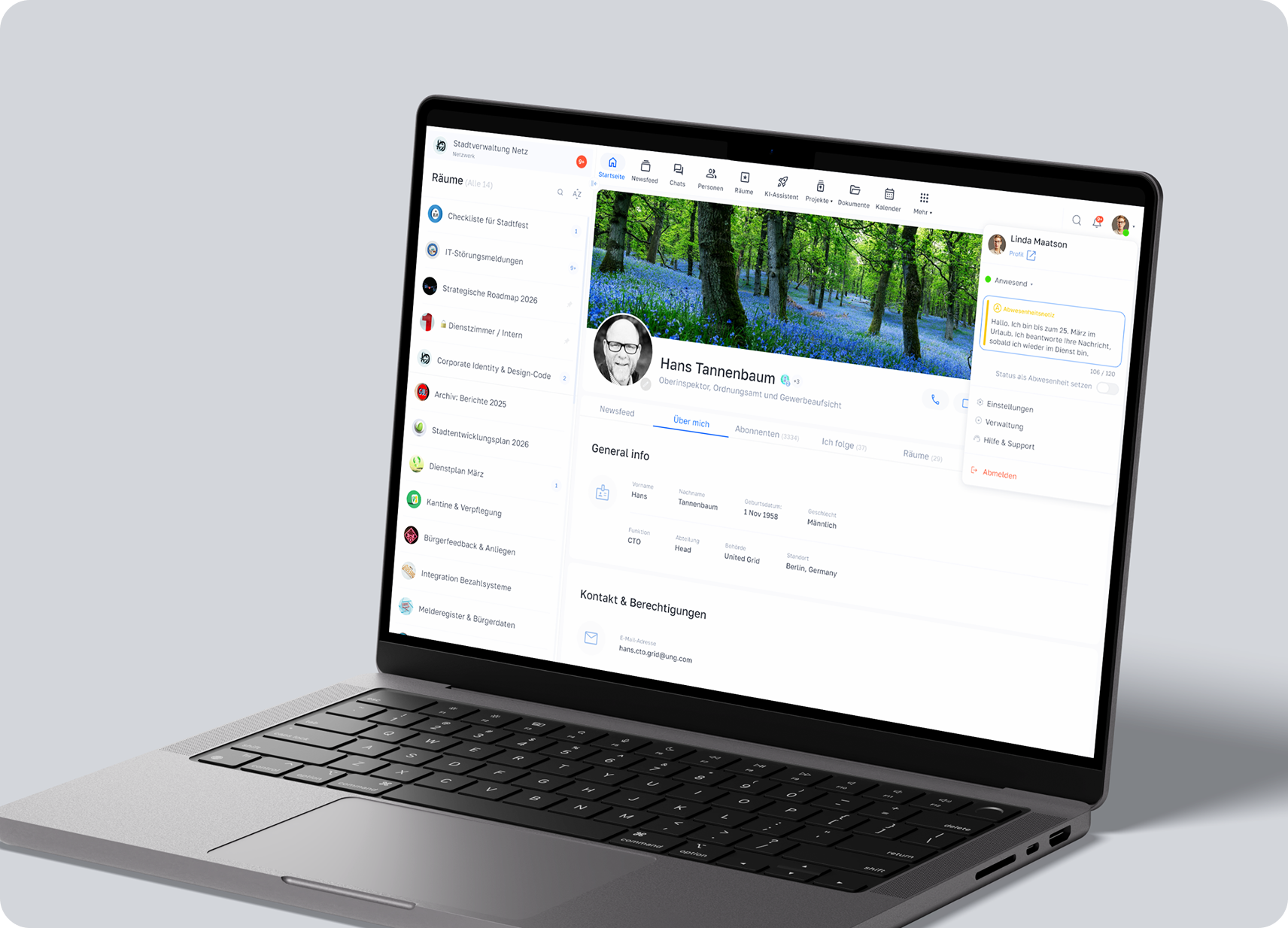
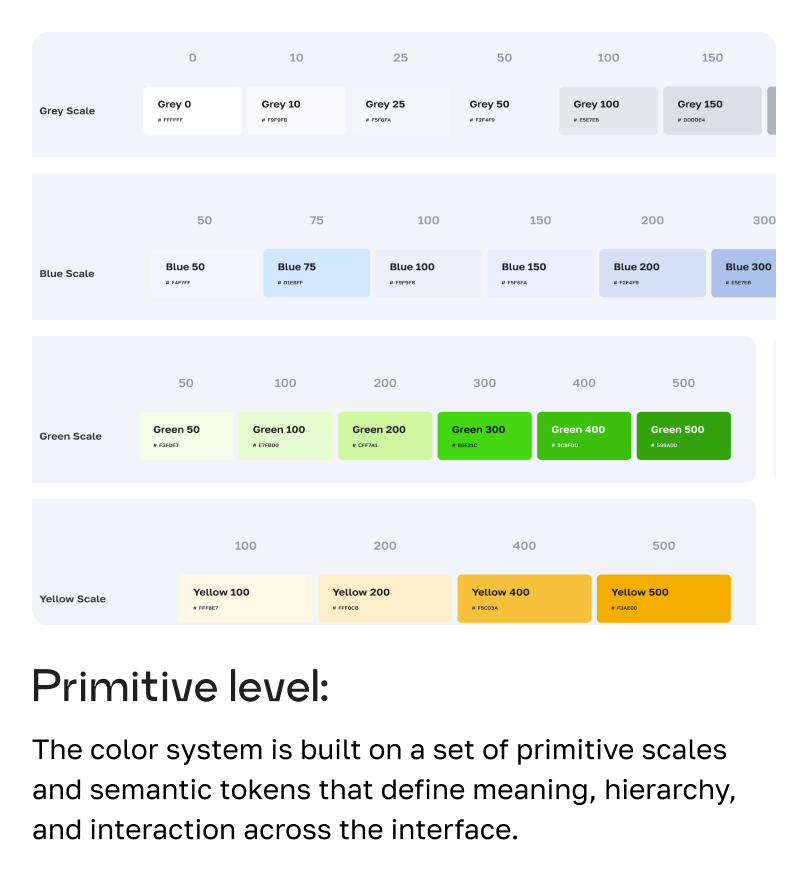
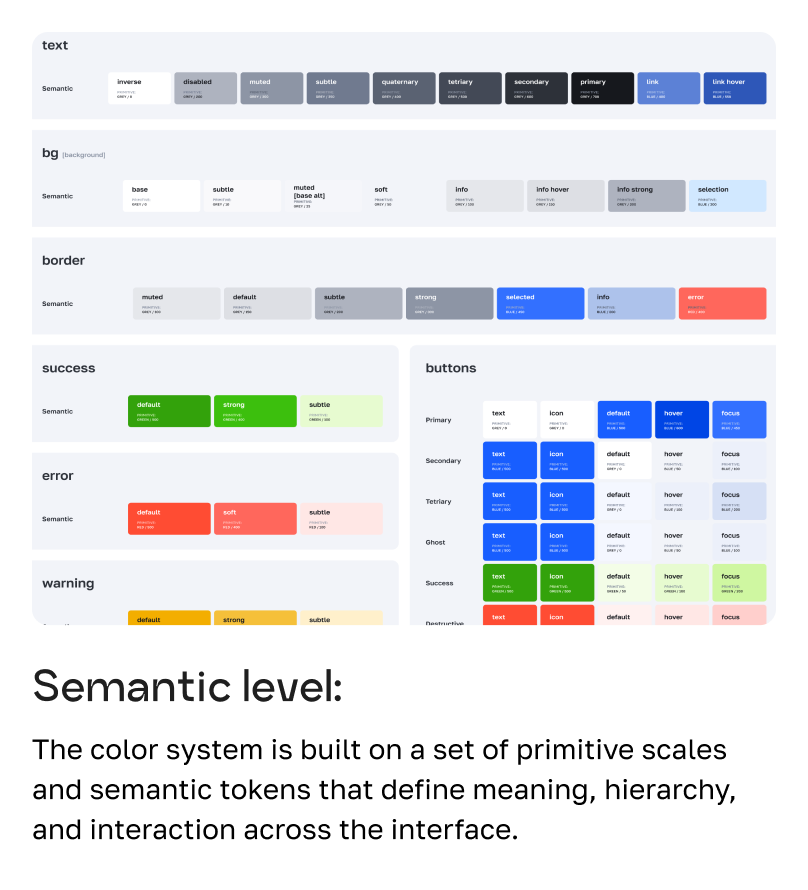
To support a high-density enterprise UI, I engineered a structured design system foundation. It aligns visual rhythm, container hierarchy, and code logic to ensure complete scalability across all user roles.

& System Performance

Layout Assembly Speed: *~2x–3x
~2x–3x faster UI drafting for standard flows (up to ~50-60% time saved on typical layouts)
due to full tokenization and a structured UI component library.
* — Speed gains depend on layout complexity and component coverage—standard flows built from existing templates see up to a 3x boost, while edge cases require new component iterations.

Sprint QA & UI Bugs
Drastically reduced design-to-code discrepancies during sprint QA through token mapping and precise developer handoff specs.
Szybkie przenoszenie i zmiana wizyt Szybkie przenoszenie i zmiana wizyt

Design Tech Debt
Replaced legacy/inconsistent UI elements with scalable system tokens, reducing multi-platform layout maintenance overhead.
Szybkie przenoszenie i zmiana wizyt

Cross-Platform Parity
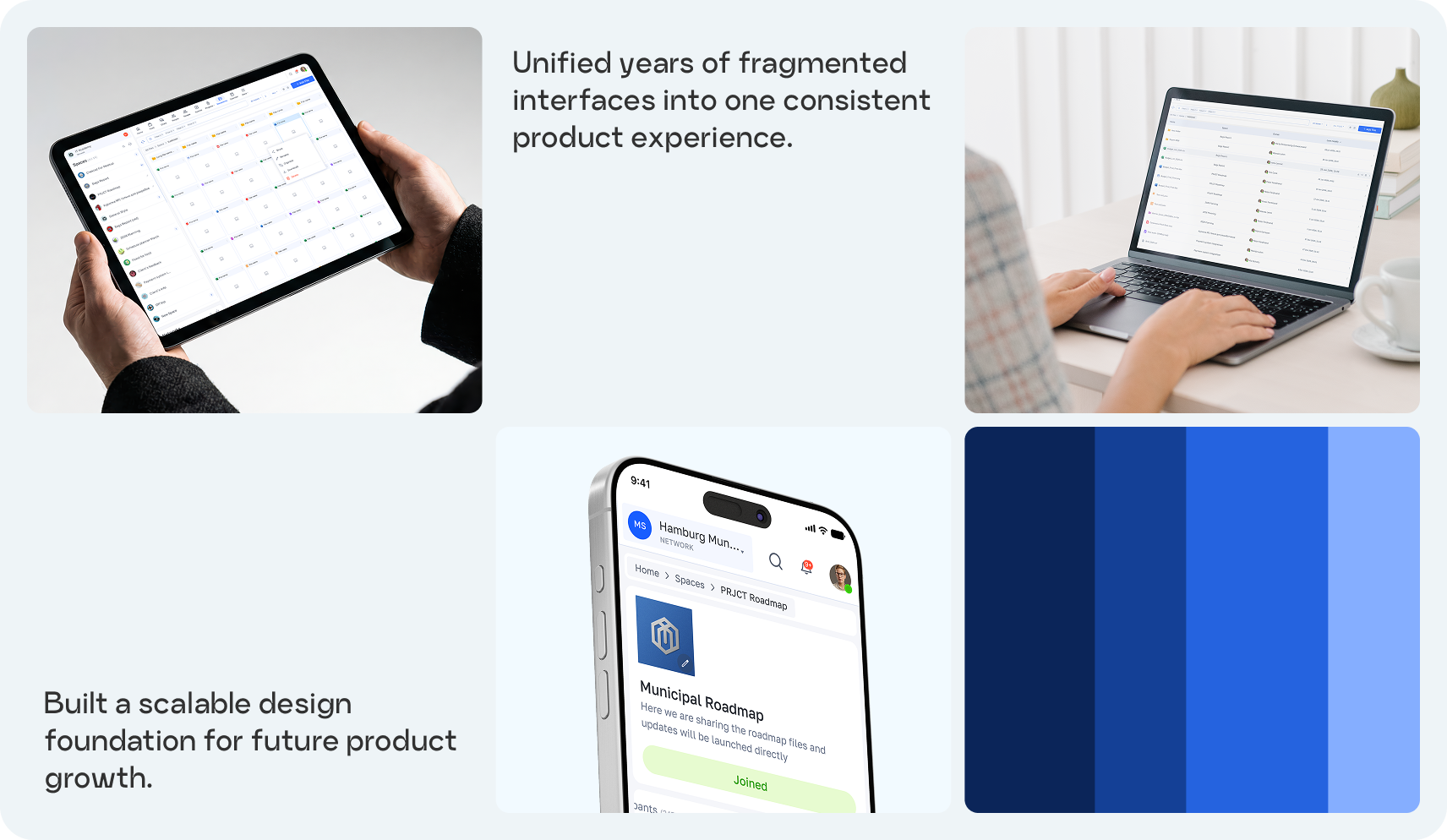
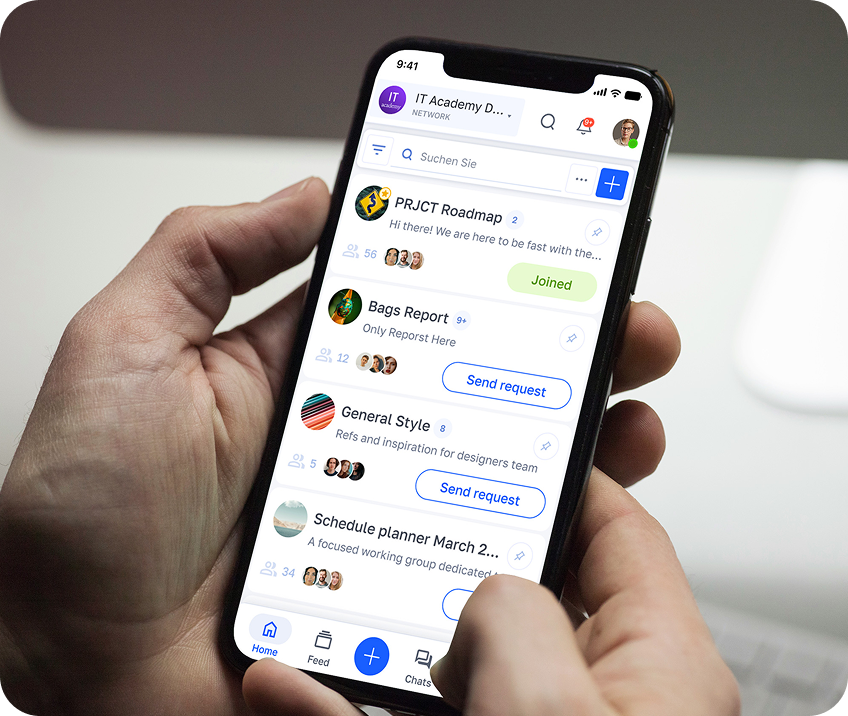
Ensured instant visual alignment between Web and Mobile App views without rebuilding components from scratch.
Szybkie przenoszenie i zmiana wizyt
Key System
Challenges & Solutions
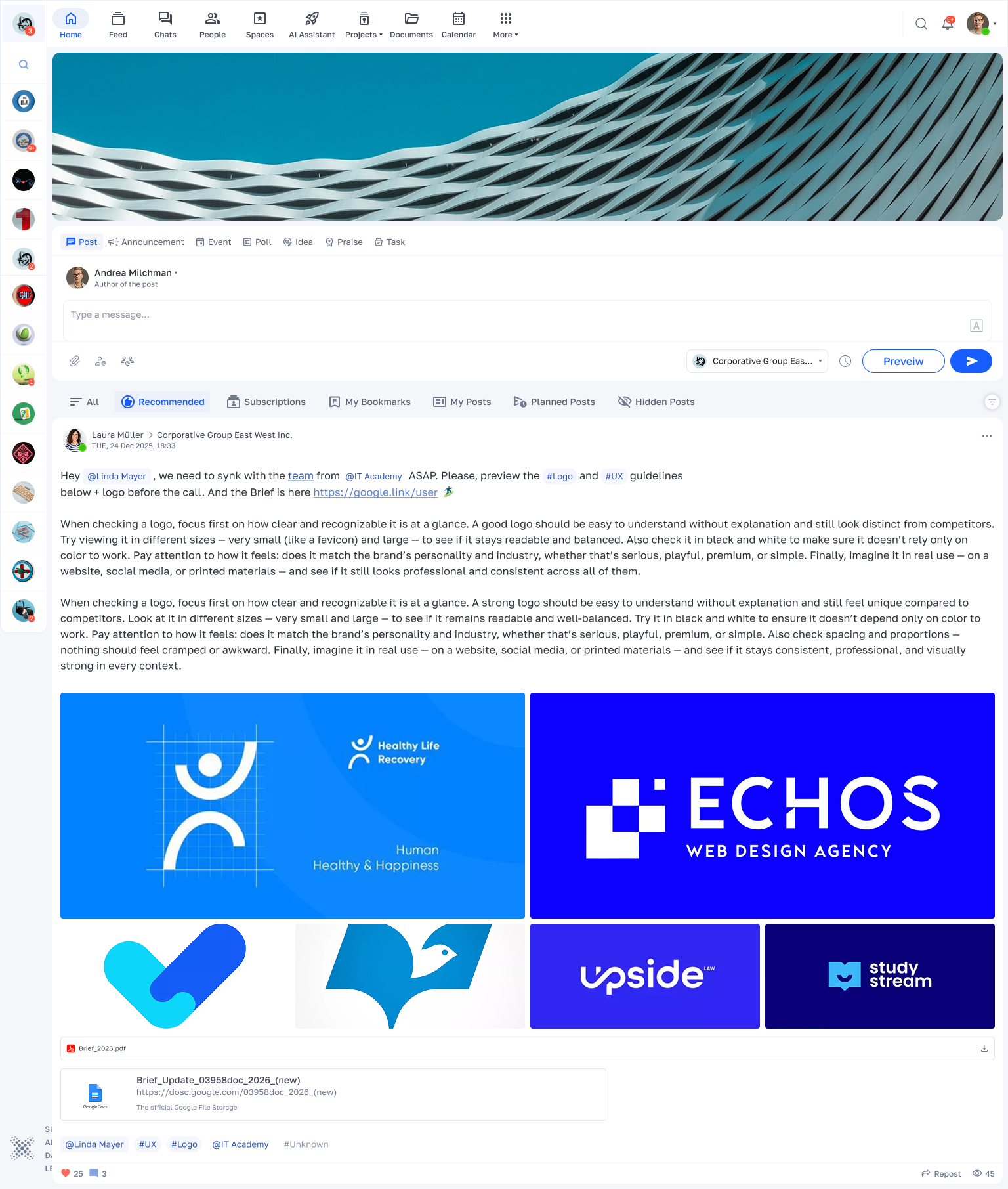
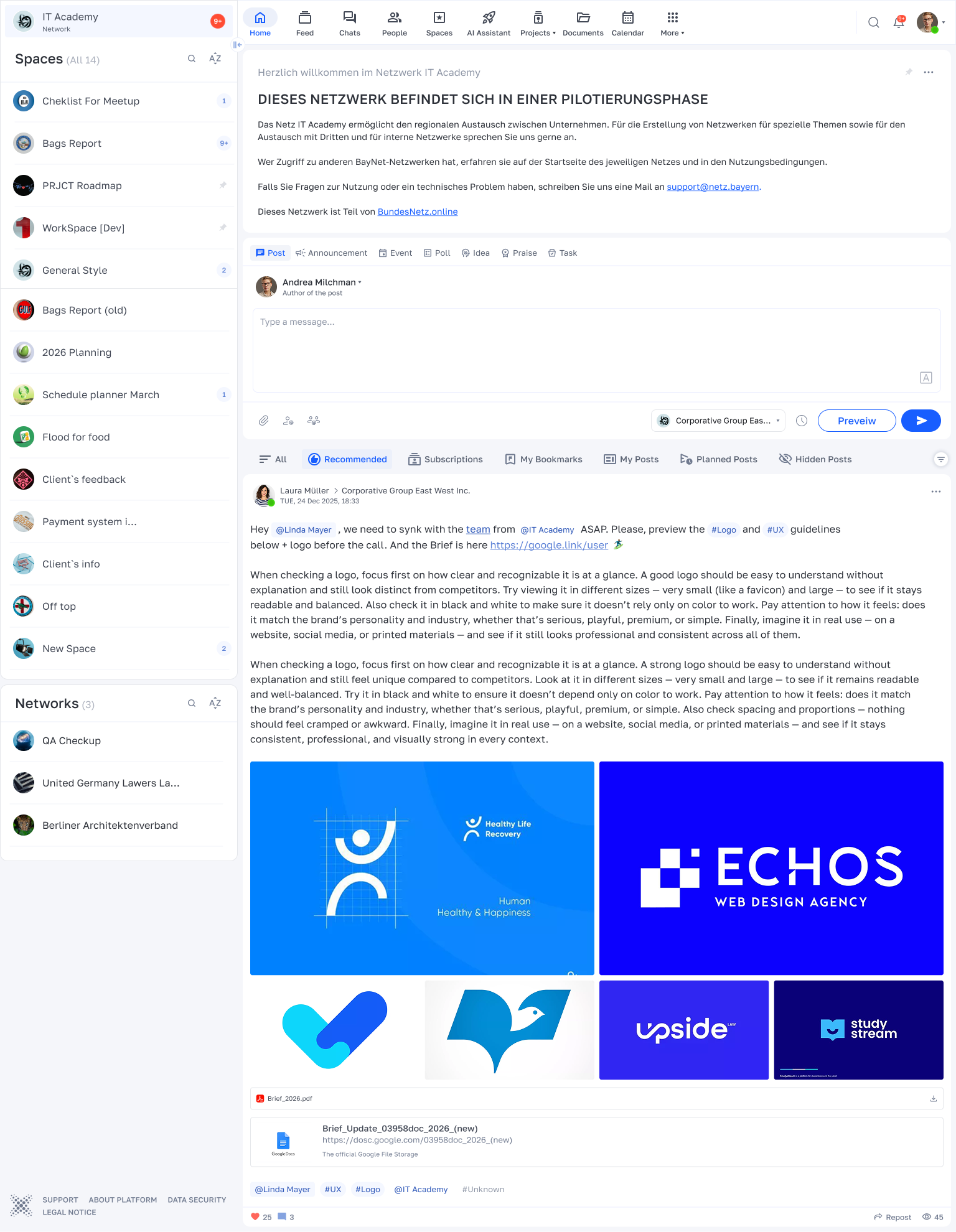
1. Modular Workspace Architecture
Context:
Organizations required tailored internal workspaces with varying structures, widgets, and access rights.
Solution:
Engineered a flexible layout framework supporting multi-column arrangements, dynamic widget configurations, pinned announcements, and role-based visibility controls.
2. Unified Content Creation Engine
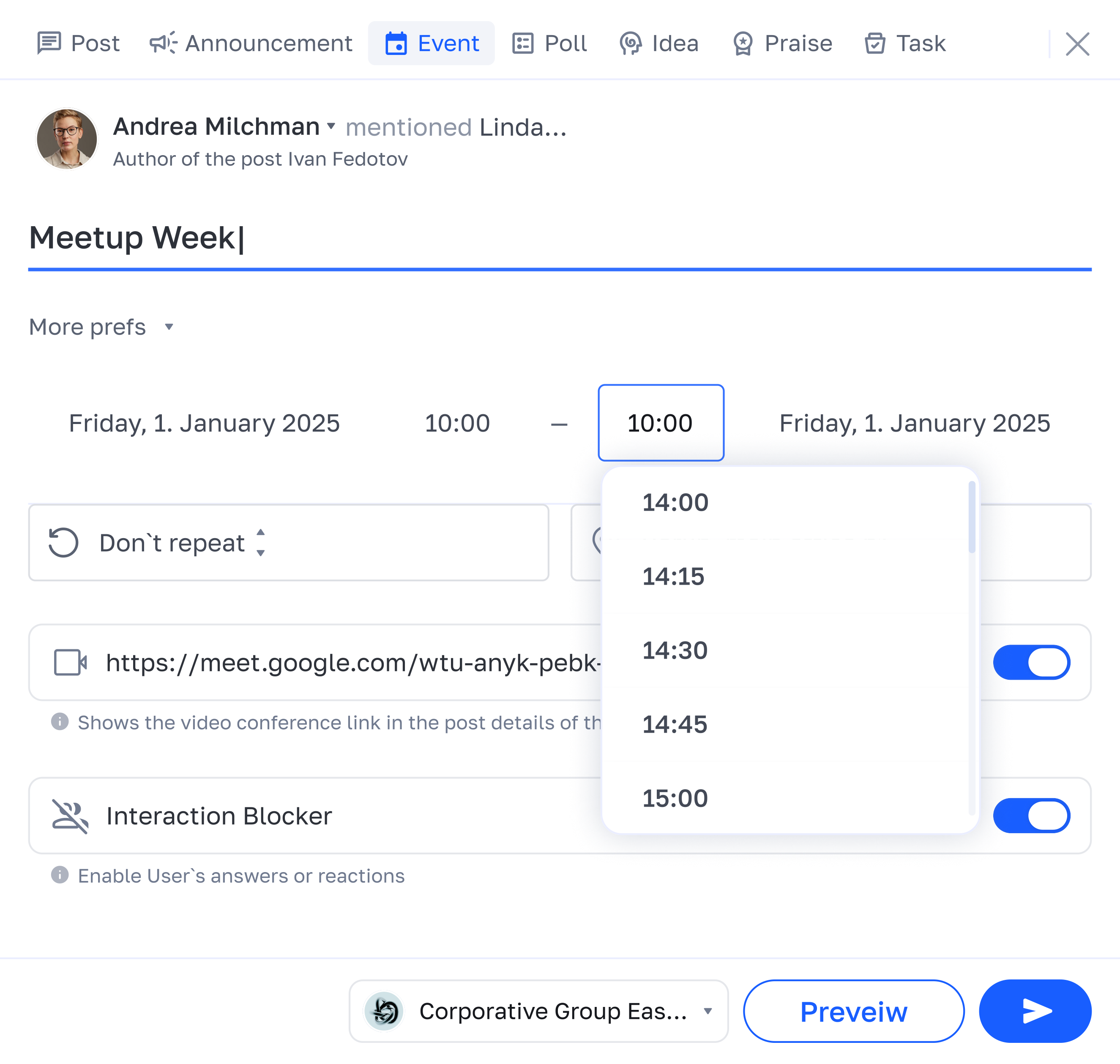
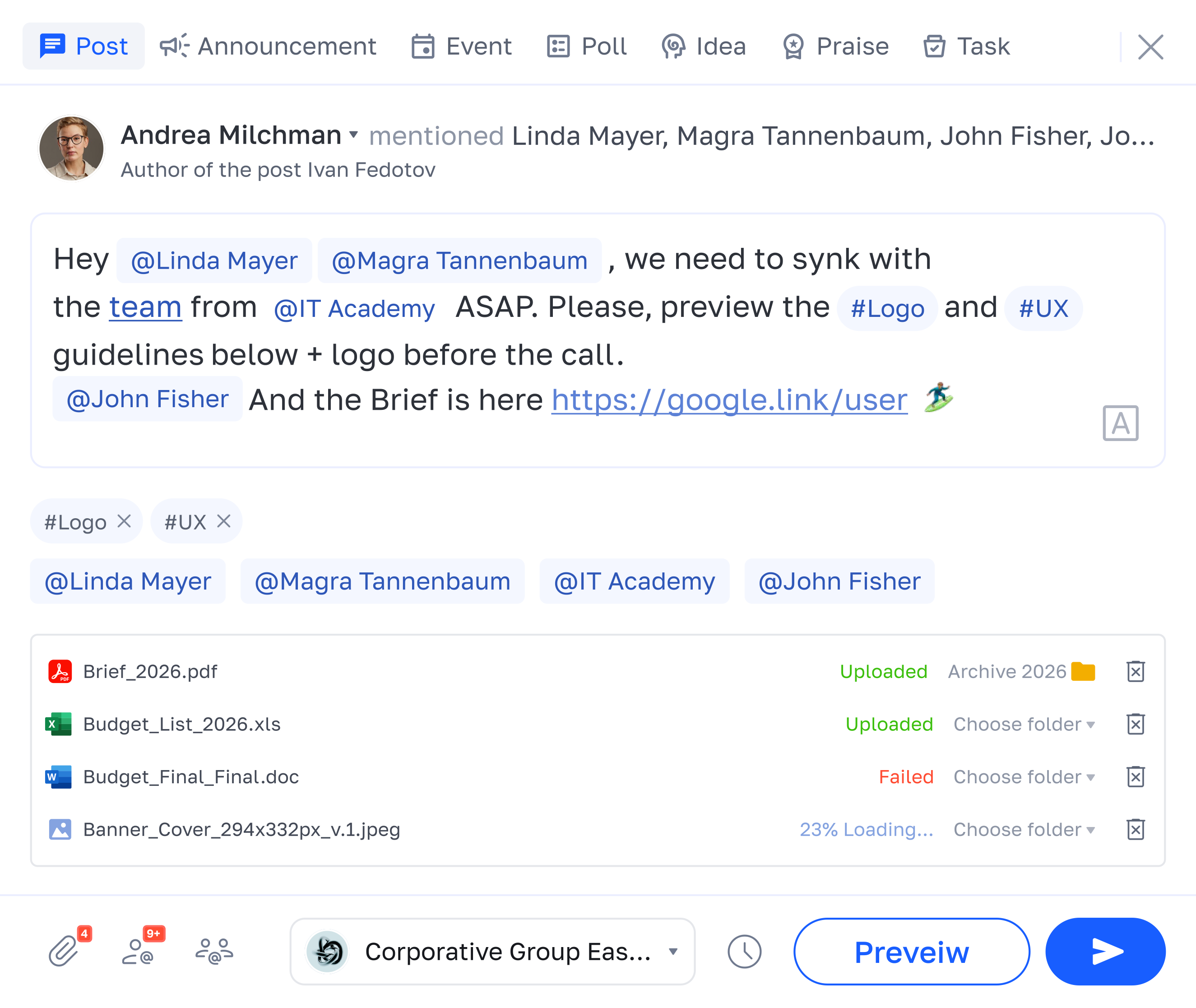
Context:
Fragmented publishing flows created friction for power users generating complex enterprise posts.
Solution:
Consolidated diverse publishing scenarios into a single end-to-end creation flow—supporting post variations, rich document attachments, audience targeting, scheduling, and workspace permissions.
3. Scalable Collaboration & Identity
Context:
High-density social interactions required clear user context and deep engagement patterns.
Solution:
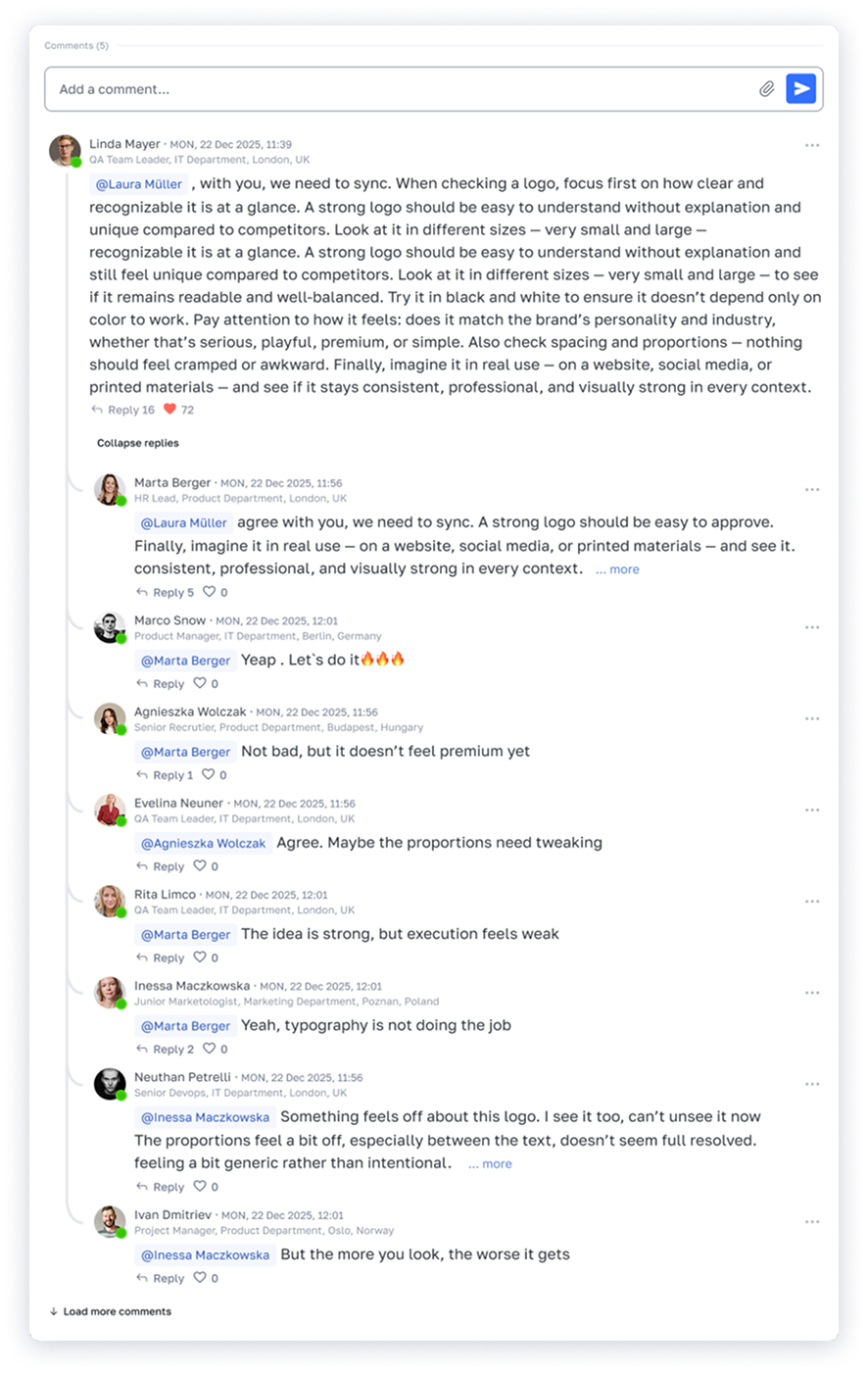
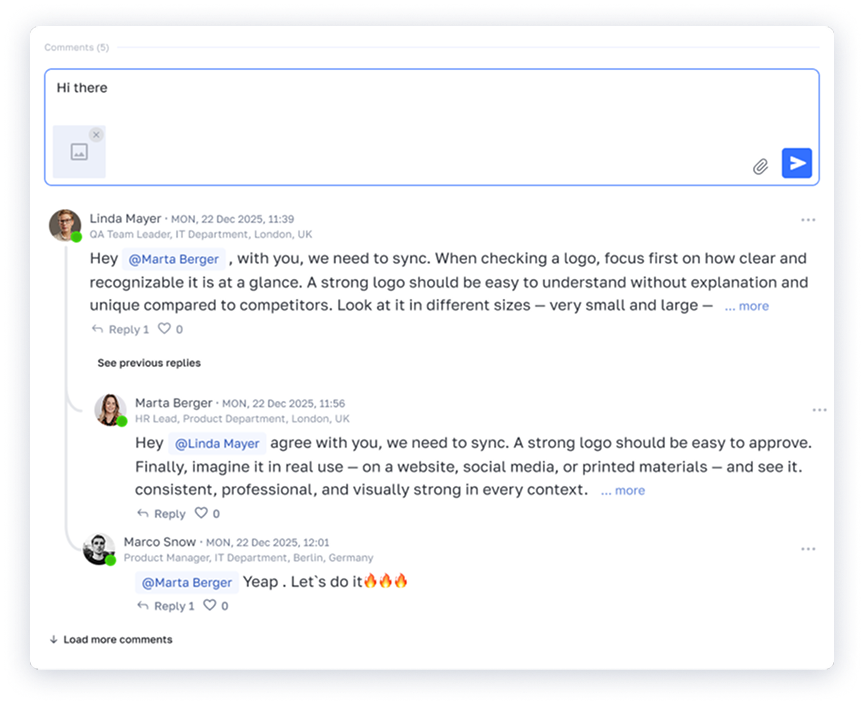
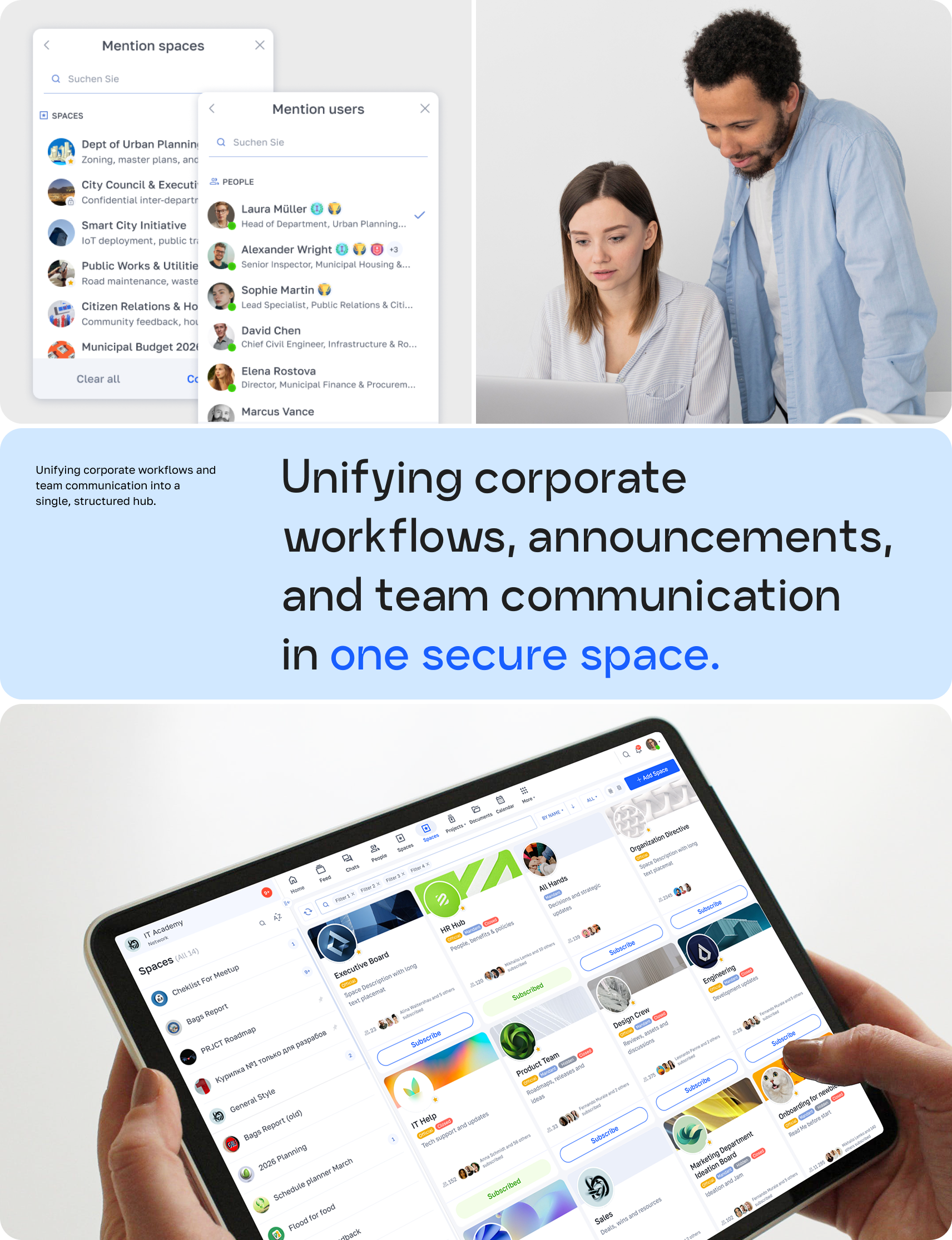
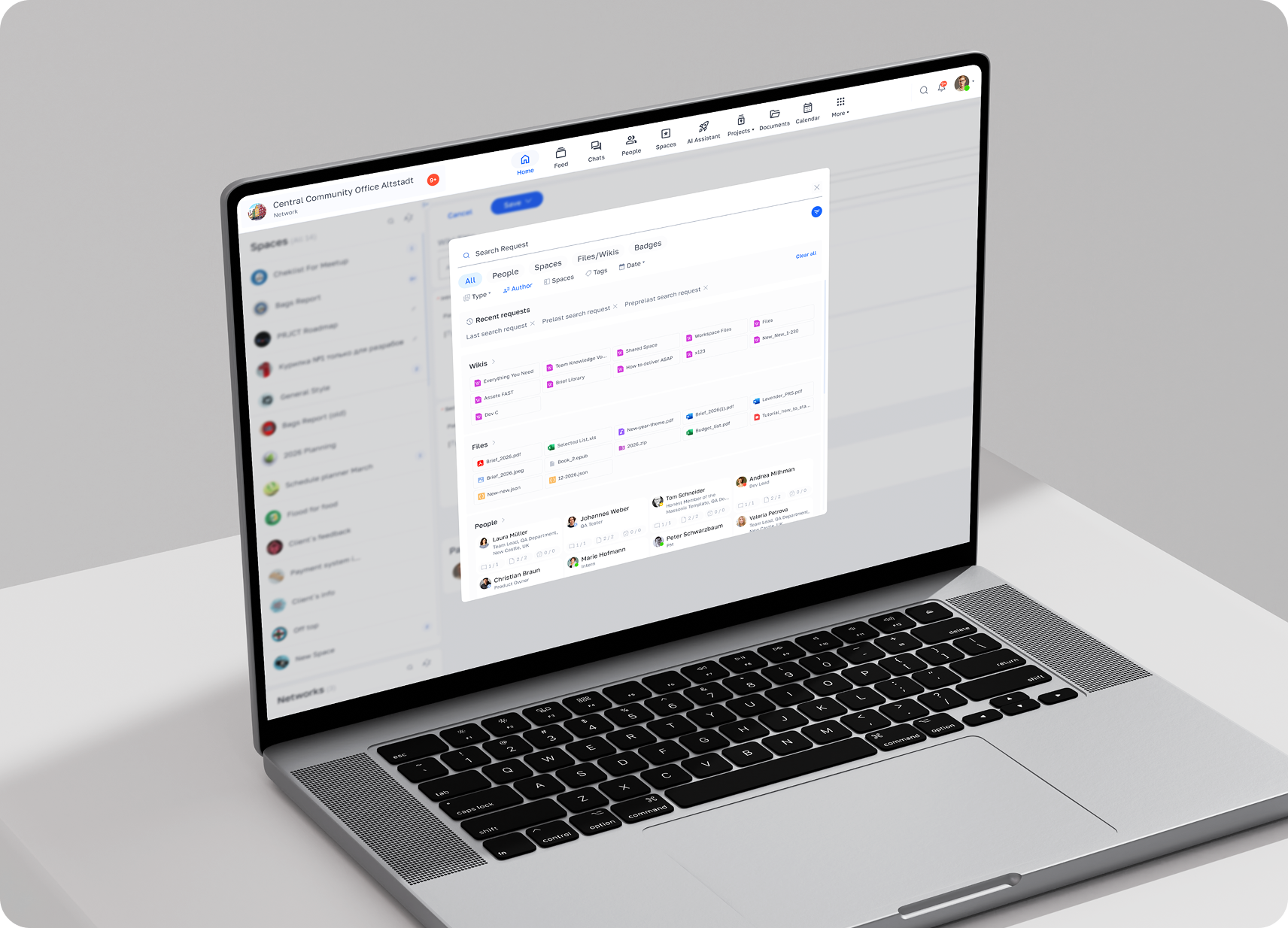
Designed nested conversation systems (threaded replies, reactions, reposts), rich user identity models (roles, holiday/custom statuses, live availability, badges), and integrated scalable search patterns across complex organizational data.

Scalability & Product Impact
Delivering a modular foundation designed for continuous evolution and rapid feature delivery.
Unified product experience
Replaced fragmented UI patterns with a consistent design language across all core user flows.
Scalable design foundation
Built a tokenized component library (Figma Variables) to accelerate feature iterations and reduce design debt.
Efficient
Dev Handoff
Established clear documentation and token mapping to eliminate CSS inconsistencies during implementation.
Multi-Role Capability
Engineered a modular architecture that supports complex admin permissions and custom organizational workspaces.
Key Reflections & System Takeaways
Instead of polishing isolated screens, I focused on building an adaptable design system capable of absorbing changes without losing consistency.
this case study or working together?